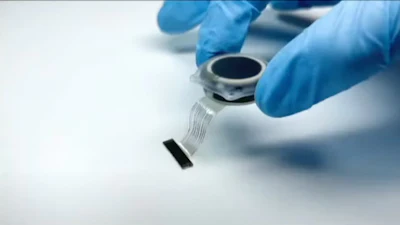
Neuralink, the brain-computer interface (BCI) device company run by Elon Musk, could be entering a new phase.
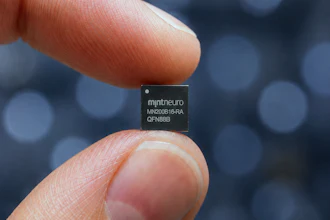
Musk announced on X that Neuralink will start high-volume production for its BCI implants, which the company said are designed to "restore independence for those with unmet medical needs and push the boundaries of what’s possible with brain interfaces." The N1 Implant records and transmits brain activity that's intended to allow the patient to control a computer. The implant uses more than 1,000 electrodes distributed across threads that are thinner than a human hair.
Neuralink already uses a proprietary surgical robot to help with implantation of the device. But Musk said in 2026 his medical startup will move toward a more streamlined, “almost entirely automated” surgical procedure.
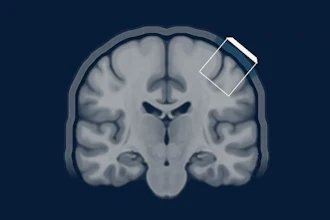
“Device threads will go through the dura, without the need to remove it. This is a big deal,” he said.
The ramp in production comes after Neuralink last summer said it raised another $650 million in Series E funding to help pursue other applications for the N1. The company’s CONVOY trial has secured FDA Breakthrough Device Designation for both vision and speech restoration programs. It said its goal is to create a whole-brain interface.
"We have invested heavily in expanding the number of neurons and brain regions that our device interfaces with to unlock new dimensions of human potential," the company said in an announcement.