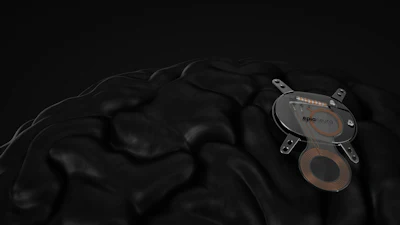
Epia Neuro, a brain computer interface company, announced its official launch.
The company is advancing a proprietary neural interface platform designed to translate brain signals into actionable digital commands, enabling rehabilitation and assistive therapies for stroke survivors and individuals with cognitive decline.
Epia Neuro’s lead product is designed as a dual-phase stroke therapy that supports both post-stroke recovery and long-term assistive living after rehabilitation. The platform combines a minimally invasive, long-lifetime “read/write” brain-computer interface (BCI) with assistive devices and AI-driven support to help stroke survivors translate neural intent into functional movement and daily independence.
Epia Neuro is advancing towards first-in-human system demos this year at the Department of Neurosurgery at Lenox Hill Hospital in New York.
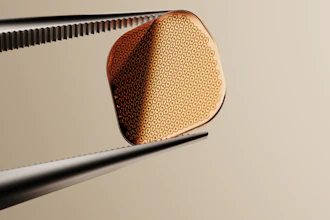
The company's technology centers around a proprietary implantable interface engineered for surgical scalability and long-term durability. The device can be implanted within the skull in under an hour without piercing the dura. The implanted system is discreet and externally invisible, charged through a headset, and designed for long lifetime use with the ability to be replaced or upgraded.
For stroke survivors, Epia Neuro’s device is training its neural interface to interpret user intent. Neural signals are fused with contextual data from external sensors to predict and drive assistive actions, including control of an upper-limb grip-assist motor prosthetic designed to be accessible, simple, and replaceable.
The Epia Neuro platform supports both sensing and stimulation, both at the cortex and deep in the brain, enabling compatibility with cortical stimulation and deep brain stimulation approaches where clinically appropriate.