Medtech company Glucotrack said it's on track to begin human trials in the U.S. for its implantable continuous glucose monitoring (CGM) system later this year.
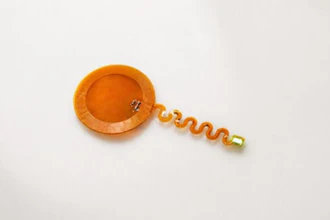
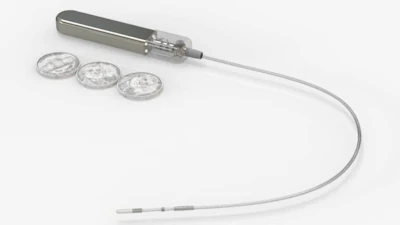
The company's core technology is a small device designed to be placed under the skin, and it's being evaluated for its ability to continuously measure blood glucose for up to 3 years.
A U.S. clinical trial site has been secured, and a Clinical Research Organization (CRO) experienced with diabetes medtech has been engaged to manage and conduct the study, the company said.
Glucotrack said it has also completed targeted product design iterations to further enhance functionality and performance. The company is currently engaged in discussions with the FDA regarding its planned U.S. clinical trial program, and it expects to initiate the study in the second half of 2026, subject to FDA approval of its investigational device exemption (IDE) submission.
“In 2025 we made meaningful progress in advancing the development of our fully implantable continuous blood glucose monitoring technology and strengthening Glucotrack’s foundation,” said Glucotrack CEO Paul V. Goode in a statement. “The completion of our first in human study in Brazil and initiation of our follow up study in Australia enables us to advance toward our U.S. clinical program. With trial infrastructure in place and product enhancements completed, we are prepared to initiate the study, pending FDA approval.”
“We have also identified a clear U.S. reimbursement pathway that supports a compelling economic profile, built a dual source U.S. manufacturing strategy with two qualified contract manufacturing partners, and assembled a seasoned management team with deep experience in diabetes and implantable medical technologies from industry leaders such as Dexcom, Abbott, Senseonics, and Medtronic.”
During the first quarter, the company said it completed its first in-human clinical trial to assess the insertion, use, and removal of the intravascular lead which was connected to externalized electronics.