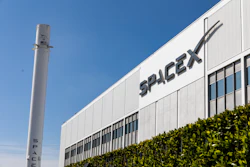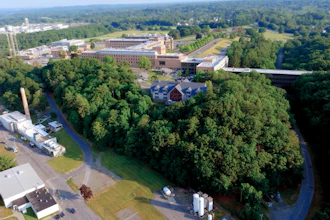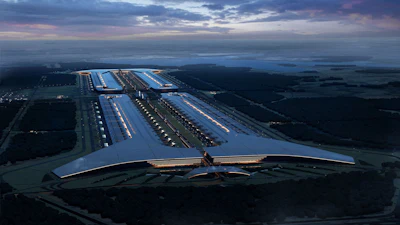
Texas Gov. Greg Abbott, Tesla and SpaceX announced that Grimes County will be the site of Terafab, a massive vertically-integrated semiconductor fabrication plant.
The first phase of the project represents a capital investment of more than $16.8 billion from Tesla and SpaceX and will create 3,000 new jobs. A Texas Enterprise Fund (TEF) grant of $30 million has been extended to SpaceX. TEFs are performance-based grants administered by the Texas Economic Development & Tourism Office.
The facility is also a qualified project under the Texas Jobs, Energy, Technology and Innovation (JETI) program.
The proposed 100-million-square-foot facility will consolidate the production chain under a single roof to accelerate semiconductor manufacturing to meet the company’s future chip needs; jobs will include engineers, technicians and plant operations personnel.
“The foundations for the most exciting future are being built right here in Texas,” said SpaceX Founder & CEO Elon Musk. “In addition to our headquarters in Starbase, Texas, where Starship is being developed and launched, and our Starlink factory in Bastrop, Texas, where our high-speed internet kits are manufactured for millions of Starlink customers all around the world — we’re now embarking on the most epic chip-building effort — combining logic, memory and advanced packaging all under one roof — in Grimes County, Texas. The Terafab is bringing cutting-edge manufacturing to America, creating thousands of high-paying jobs in the Lone Star State, and enabling us to produce AI chips at scale for use on Earth and in space.”
Musk revealed plans to build a $119 billion Terafab in Texas earlier this year as part of an effort to build chips for a "galactic civilization."
In April, Tesla broke ground on a new research fab on the North Campus of Giga Texas – the precursor to Terafab.
The combined SpaceX and Tesla demand for chips is expected to be in excess of 1 terawatt (TW) of compute, which is significantly larger than the current global supply. In a statement, SpaceX said, "While we are deeply appreciative of our current chip suppliers, and encourage them to expand production whenever possible, this looming gulf between supply and demand is at the core of Terafab’s necessity."
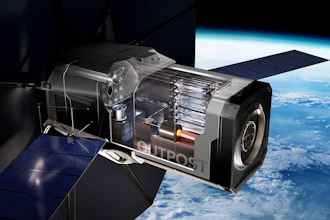
Terafab will produce chips for edge computing and inference for use in hardware like Tesla’s Optimus robots and self-driving Cybercabs, along with high-power chips designed for operating SpaceX’s space-based data centers, according to the company.
SpaceX and Tesla said the Terafab site will use water from the Gibbons Creek Reservoir for industrial operations rather than local groundwater. The company also has planned on-site wastewater treatment facilities; water reuse and conservation efforts; compliance with all applicable environmental and pollution control laws; and management of hazardous materials, chemicals and industrial byproducts in accordance with all applicable regulations.